Managing a Distributed Workforce with HR Software
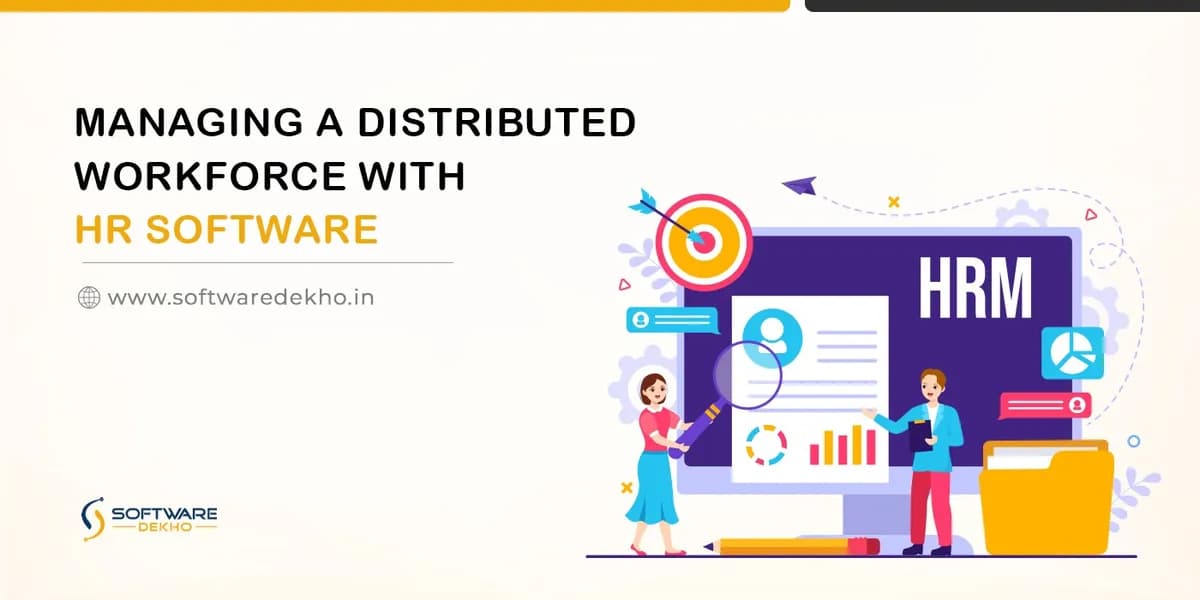
The way people work is changing, with more folks opting to work remotely. This shift requires good management for teams spread out in different locations. Human Resources (HR) teams are dealing with special challenges to make sure everyone works well together, processes are smooth, and productivity stays high. To tackle these challenges, companies are using new and creative HR software solutions. Through this article, we'll dig into the details of handling a team that's not all in one place and see how HR software can help businesses tackle these challenges and succeed in the digital age.
The Rise of Distributed Workforces
With advancements in communication technology and the global nature of business operations, distributed workforces have become increasingly prevalent. However, managing employees spread across different locations presents a range of challenges, including communication barriers, coordination complexities, and the need to maintain a unified company culture.
The Role of HR Software
HR software serves as a comprehensive solution for effectively managing various aspects of HR operations in a distributed work environment. By providing a centralized platform, the best HR software enables HR professionals and team managers to streamline processes, enhance communication, and foster collaboration among remote team members.
Efficient Onboarding and Training
Onboarding and training new hires can pose significant challenges in a distributed workforce. HR software offers tools to create virtual onboarding processes, deliver training materials online, and track employee progress. This ensures a consistent and efficient onboarding experience for all employees, regardless of their physical location.
Time and Attendance Tracking
Tracking employee work hours and managing time off can be intricate in a distributed workforce. HR software simplifies time and attendance tracking by providing automated systems that capture time logs, manage paid time off (PTO), and generate accurate reports. This promotes transparency and helps ensure fair compensation for remote employees.

Performance Management and Goal Alignment
HR software facilitates remote performance management by enabling goal setting, performance evaluations, and continuous feedback. Managers and employees can align goals, track progress, and provide real-time feedback, fostering a sense of accountability and motivation among remote team members.
Virtual Collaboration and Communication
Efficient communication and collaboration are vital for successful distributed teams. HR software incorporates features such as instant messaging, video conferencing, and virtual team spaces, enabling seamless communication and collaboration across different locations. These tools bridge the gap between remote employees and facilitate teamwork, knowledge sharing, and project management.
Employee Engagement and Recognition
Maintaining high levels of employee engagement and recognition is crucial for remote workers who may feel disconnected from their colleagues and the organization. HR software provides platforms for employee engagement surveys, recognition programs, and social channels that foster a sense of belonging, appreciation, and team spirit among distributed employees.
Data Security and Compliance
Data security and compliance are paramount, particularly when managing a distributed workforce. HR software incorporates robust security measures, including data encryption, role-based access controls, and adherence to privacy regulations. This ensures that sensitive employee information is protected and compliant with applicable data protection laws.
Conclusion
Effectively managing a distributed workforce requires overcoming unique challenges, but with the right tools and technologies, organizations can optimize collaboration, productivity, and employee satisfaction. Best HR software tailored for remote teams plays a pivotal role in streamlining HR operations, improving communication, and fostering engagement among distributed employees. By embracing HR software solutions designed for managing remote workforces, organizations can unlock the full potential of their distributed teams and thrive in the digital workplace of the future.
Looking for a vendor to implement HR software for your business? Get in touch with us and our experts will help you find the best match!




You must conduct thorough research and read user reviews to choose the best software for your needs. So, take a look at our website to understand better!